
01
Vision
To train skilled electrical technicians capable of installing, maintaining, and managing electrical systems safely and efficiently.
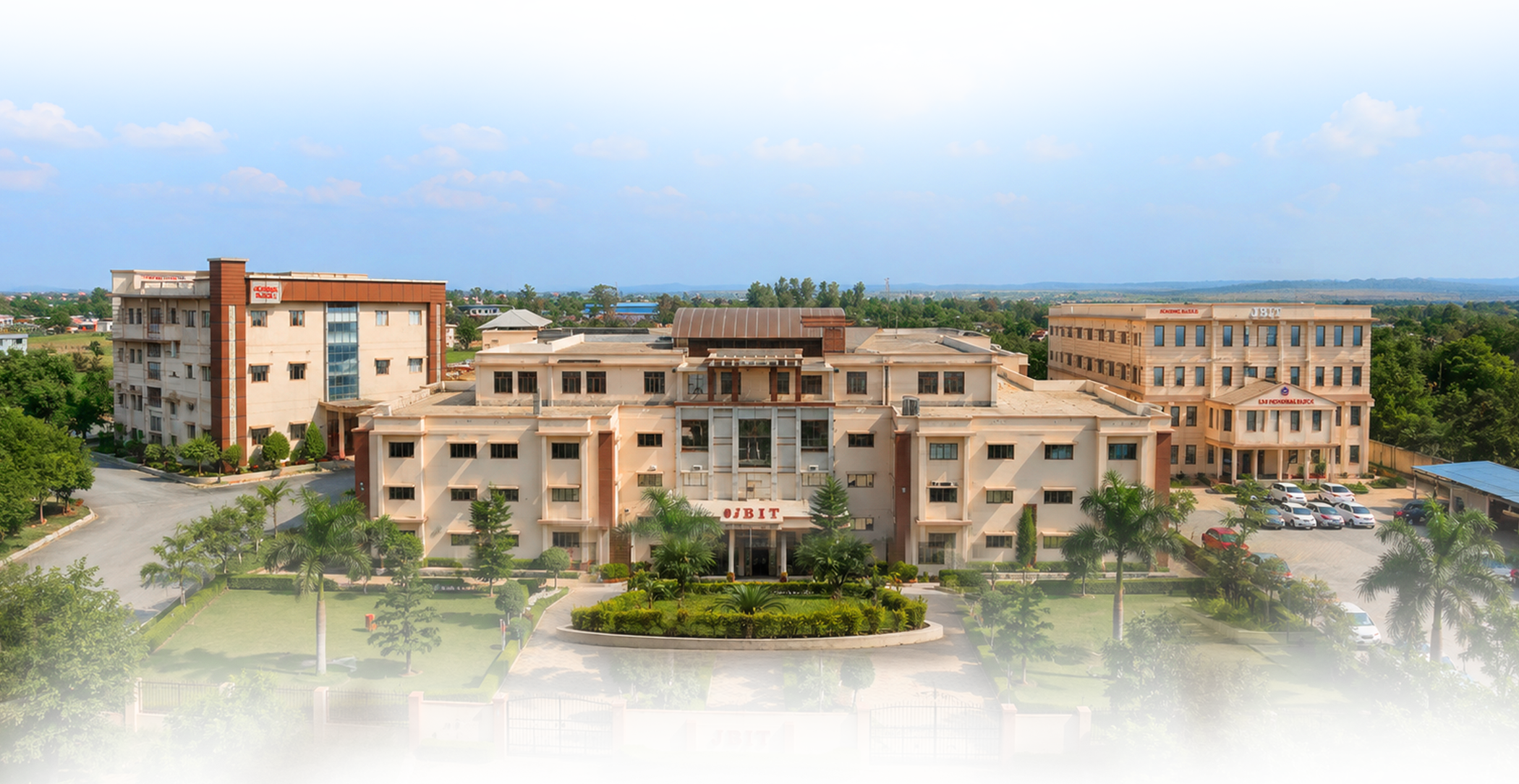
A 25-acre campus in Dehradun, NAAC 'A' accredited.
Our instituteEngineering, management, pharmacy, agriculture and IT.
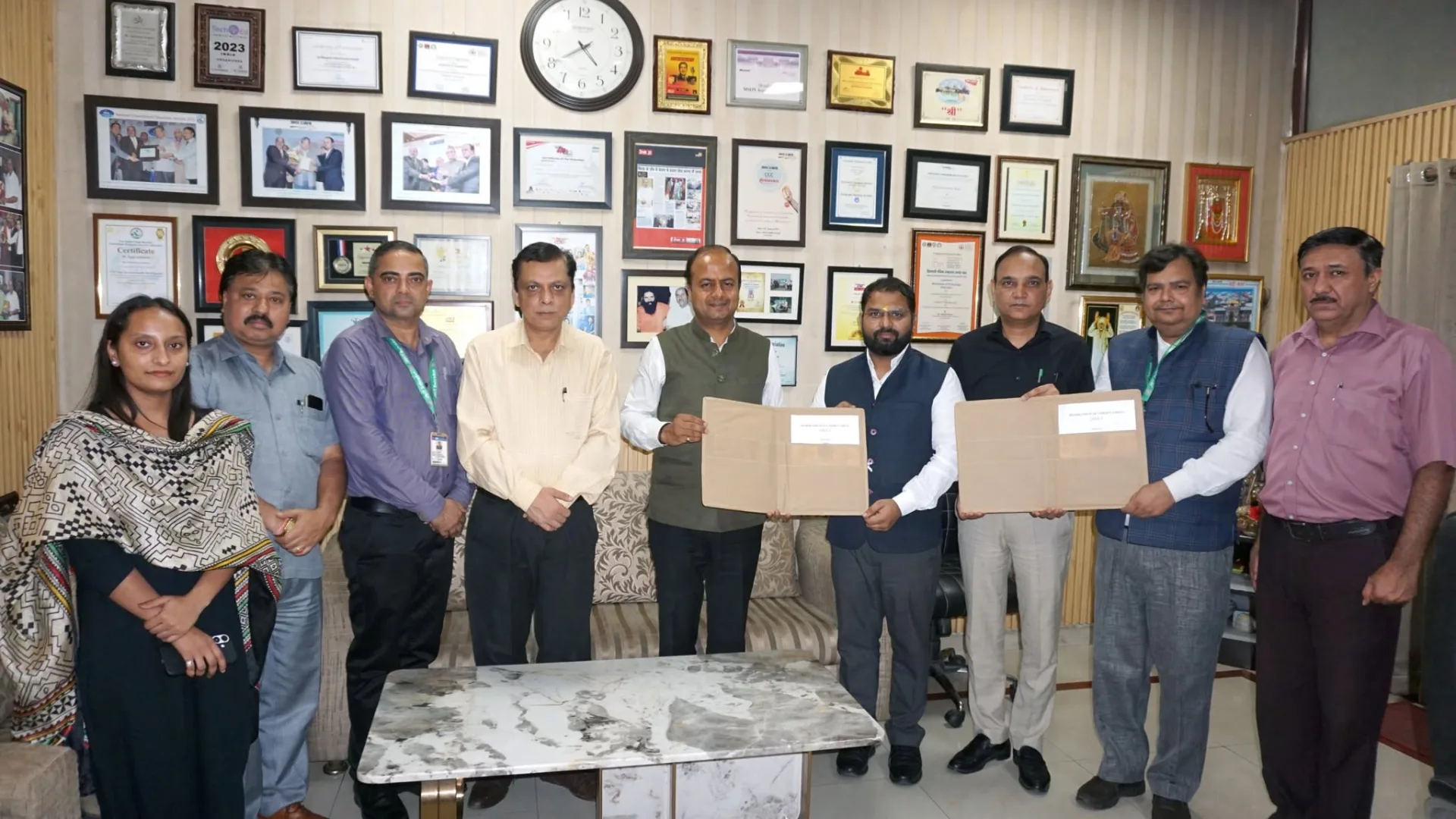
See all programmesMoUs with IITs and industry partners.
Our MoUs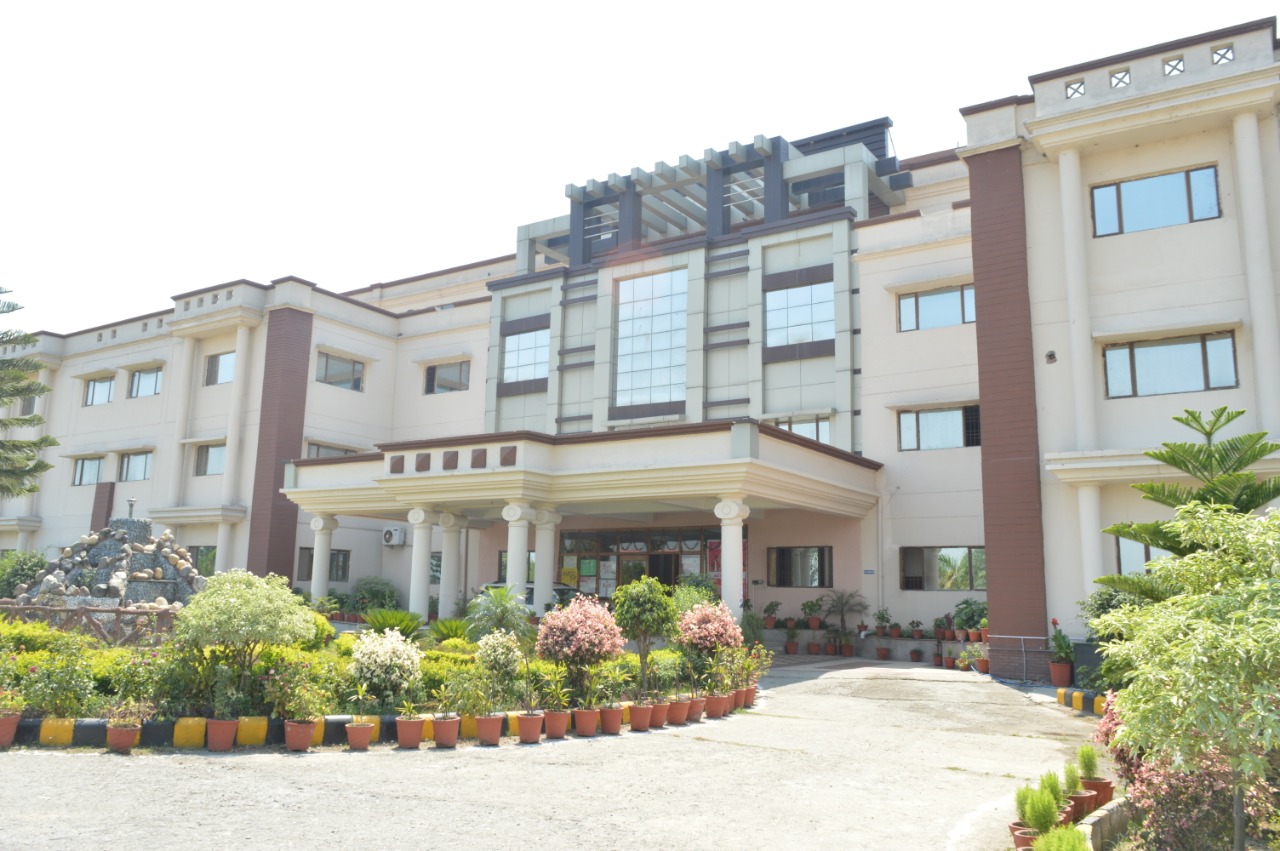
A three-year, hands-on diploma that leads to technician and junior engineer roles — or straight into the second year of a B.Tech.
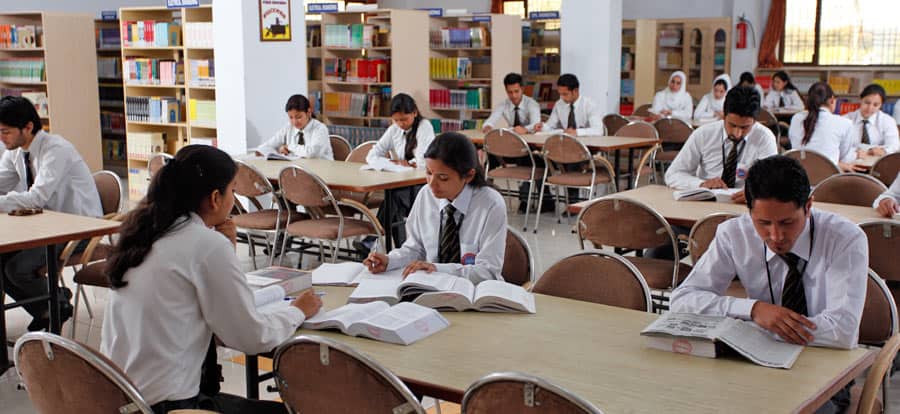
The Diploma in Electrical Engineering is a three-year course dealing with power distribution and electrical equipment. Subjects include Electrical Machines, Power Systems, and Digital Electronics. The training is heavily practical, involving house wiring, motor winding, and transformer maintenance. Students learn to read circuit diagrams and use testing instruments. The course prepares students to handle the installation and repair of electrical setups in residential and industrial settings.
Year 1 — Applied mathematics, applied physics and chemistry, engineering drawing, workshop practice, communication skills
Year 2 — Electrical circuits, electrical machines, measurements and instruments, electronics, power generation
Year 3 — Transmission and distribution, switchgear and protection, electrical estimating, industrial electronics, industrial training and project
Graduates work as Junior Engineers in state electricity boards and power plants. In the private sector, they are Electrical Supervisors in factories and construction sites. They are essential for Building Maintenance and appliance repair.
Railways and Metro systems hire them for traction and signaling maintenance. Opportunities also exist in Solar Power installation. Many graduates become licensed Electrical Contractors, starting their own businesses in wiring and repair services.
Per academic year for Diploma in Electrical Engineering. Hostel and transport are optional and charged separately.
| Particulars | First year | Each year after |
|---|---|---|
| Tuition fee | ₹ [amount] | ₹ [amount] |
| University / board fees | As notified | As notified |
| Hostel with mess (optional) | ₹ [amount] | ₹ [amount] |
| Transport (optional) | ₹ [amount] | ₹ [amount] |
Fees are decided by the fee committee and the affiliating university and can change. Contact admissions for the current figures.
Through the counselling of the affiliating university or board, and direct admission where the norms allow. The admissions team explains the current process and dates.
Yes — merit-based institute scholarships and government scholarships for eligible students. See Scholarships for details.
Yes, separate hostels for boys and girls with mess facilities on campus. Seats are allotted at admission.
Continue with a four-year degree.
All engineering programmes.
Steps, documents and dates.
Leave your details and the admissions team will call you back within one working day.