
01
Vision
To empower students to become leaders in electrical technology, driving the transition to efficient and sustainable energy systems.
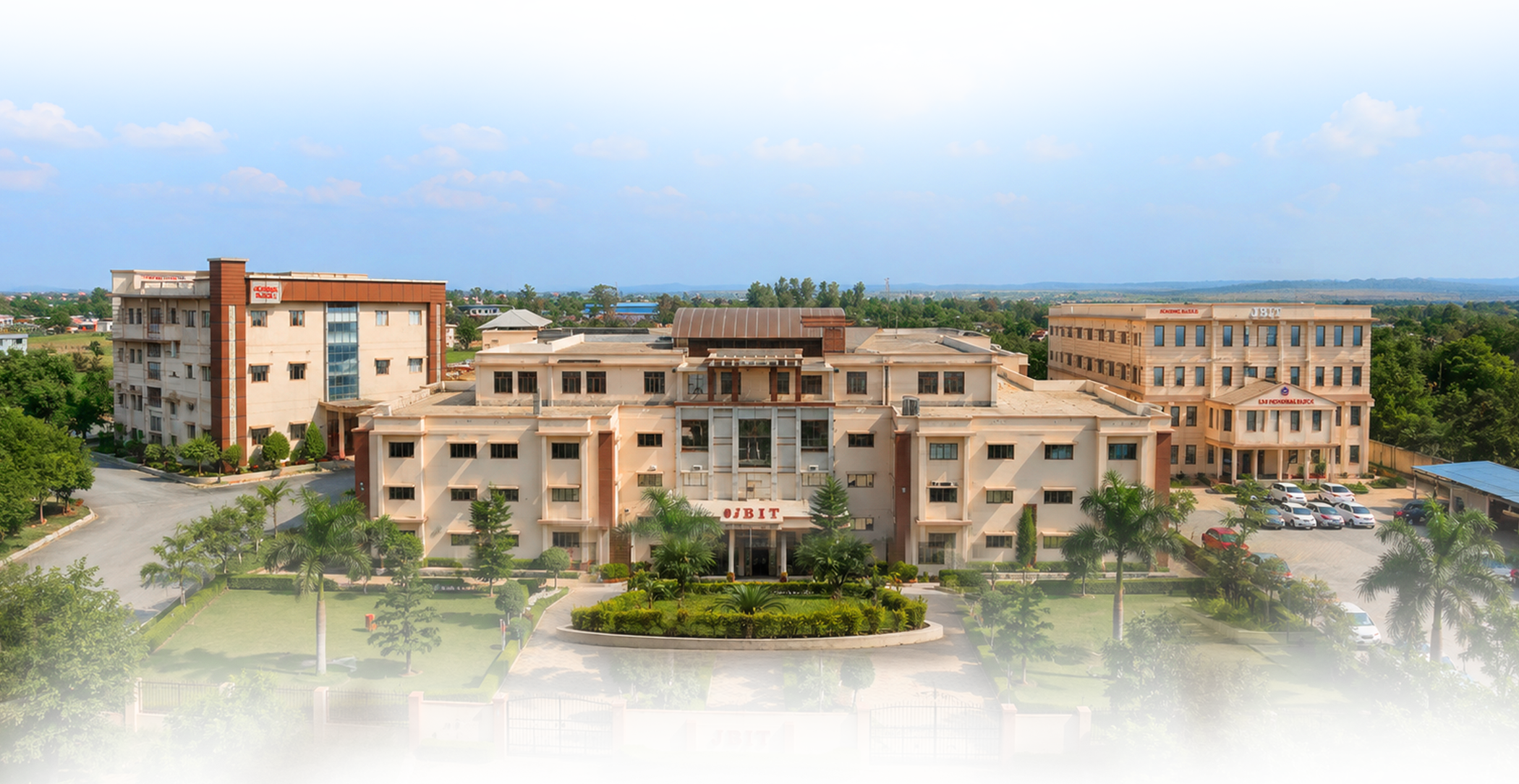
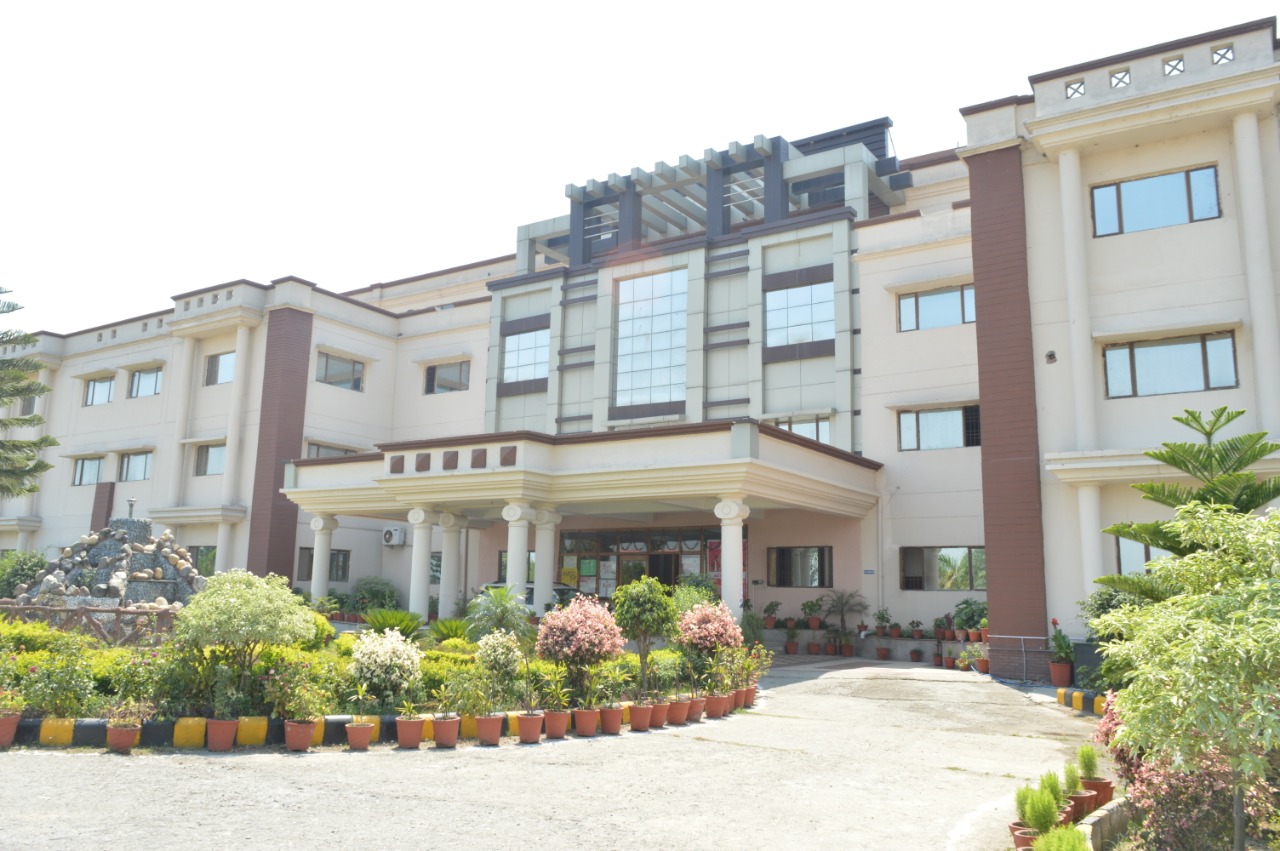
A 25-acre campus in Dehradun, NAAC 'A' accredited.
Our instituteEngineering, management, pharmacy, agriculture and IT.
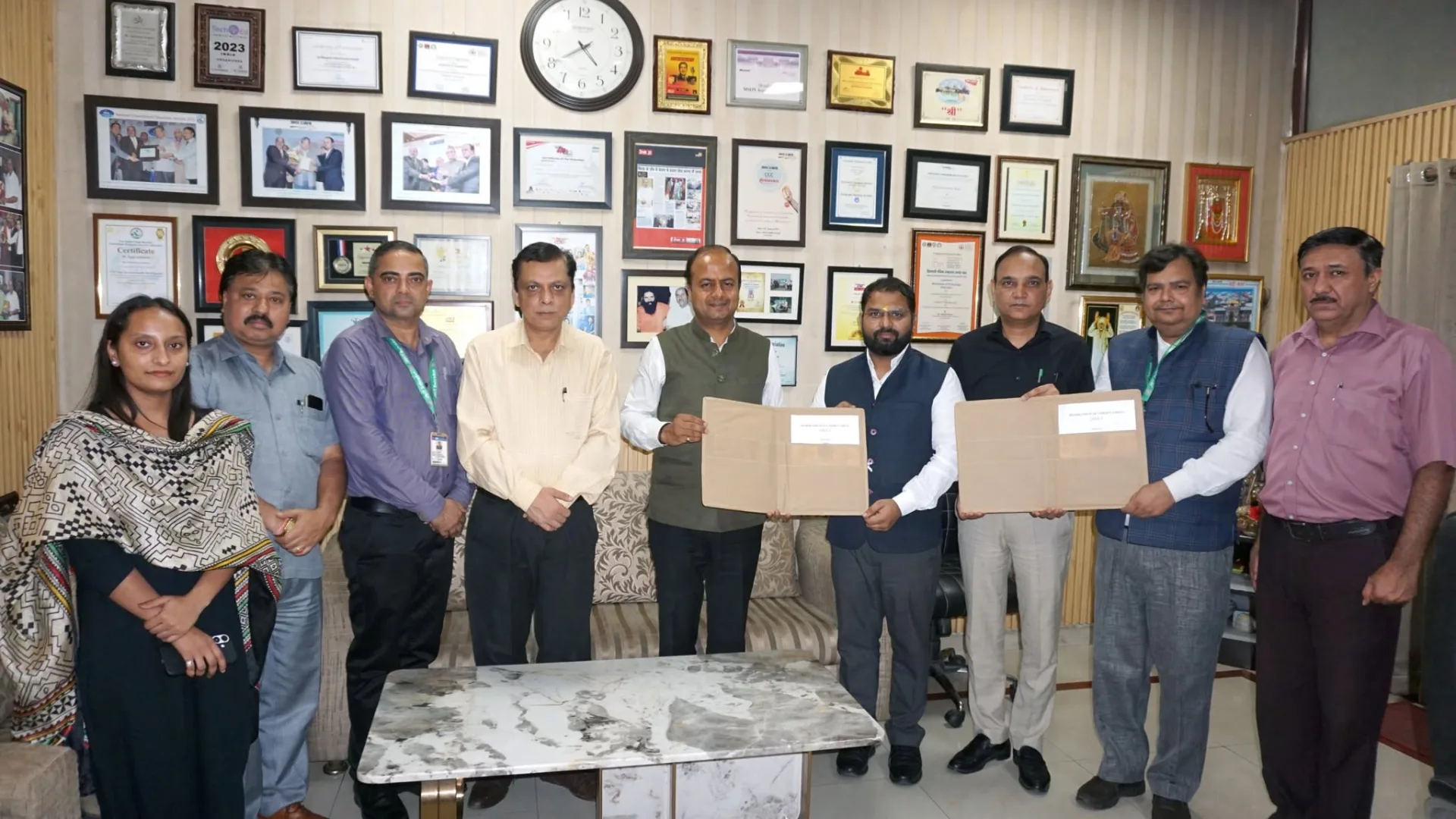
See all programmesMoUs with IITs and industry partners.
Our MoUs
Power systems, electrical machines, power electronics, control and renewable energy.
The B.Tech in Electrical Engineering focuses on the study of electricity, electronics, and electromagnetism. This four-year program covers the generation, transmission, and distribution of power, as well as the design of electrical machinery. Core subjects include Power Systems, Electrical Machines, Control Systems, and Power Electronics. The course bridges traditional high-voltage engineering with modern digital control systems. Students gain hands-on experience in labs with motors, transformers, and circuit simulations using MATLAB. We place a strong emphasis on Renewable Energy sources like solar and wind, preparing students for the green energy revolution. This program is ideal for those interested in the power that drives the modern world, from the national grid to industrial automation.
Year 1 — Engineering mathematics, physics, programming, basic electrical and electronics engineering
Year 2 — Circuit theory, electrical machines, electrical measurements, analog and digital electronics, electromagnetic fields
Year 3 — Power systems, power electronics, control systems, microcontrollers, electrical machine design
Year 4 — Switchgear and protection, electric drives, renewable energy systems, utilisation of electrical energy, electives, internship and major project
Electrical Engineering graduates are vital to modern civilization. The Power Sector is the primary employer, with state electricity boards and private utilities (like Adani Power) hiring Power System Engineers and Grid Managers. The Manufacturing Industry relies on them for Industrial Automation and maintenance of heavy machinery.
The Renewable Energy sector offers growing opportunities for Solar and Wind Energy Engineers. In the Electrical Equipment Industry, graduates work as Design Engineers for transformers and switchgear at companies like Siemens and ABB. Public sector roles in NTPC, PowerGrid, and Indian Railways are highly prestigious and available via GATE/IES. With the rise of Electric Vehicles (EVs), there is a surge in demand for engineers to design battery systems and charging infrastructure. Graduates can also pursue Technical Consultancy or higher education to specialize in Power Electronics.
Workshops and department labs are part of every semester, not just the final year.
Mini projects, technical fests and an industry internship build a portfolio before placements.
Aptitude training, mock interviews and campus drives through the Training & Placement Cell.
Per academic year for B.Tech Electrical Engineering. Hostel and transport are optional and charged separately.
| Particulars | First year | Each year after |
|---|---|---|
| Tuition fee | ₹ [amount] | ₹ [amount] |
| University / board fees | As notified | As notified |
| Hostel with mess (optional) | ₹ [amount] | ₹ [amount] |
| Transport (optional) | ₹ [amount] | ₹ [amount] |
Fees are decided by the fee committee and the affiliating university and can change. Contact admissions for the current figures.
Yes, through lateral entry as per university norms, subject to seat availability.
Yes. Students complete an industry internship, usually after the third year; the placement cell helps them find one.
Through the counselling of the affiliating university or board, and direct admission where the norms allow. The admissions team explains the current process and dates.
Yes — merit-based institute scholarships and government scholarships for eligible students. See Scholarships for details.
Yes, separate hostels for boys and girls with mess facilities on campus. Seats are allotted at admission.
Three-year polytechnic diploma.
Electronics and communication.
Machines and manufacturing.
Leave your details and the admissions team will call you back within one working day.