

01
Vision
To be a center of excellence in electronics and communication, fostering innovation in signal processing and telecommunications.
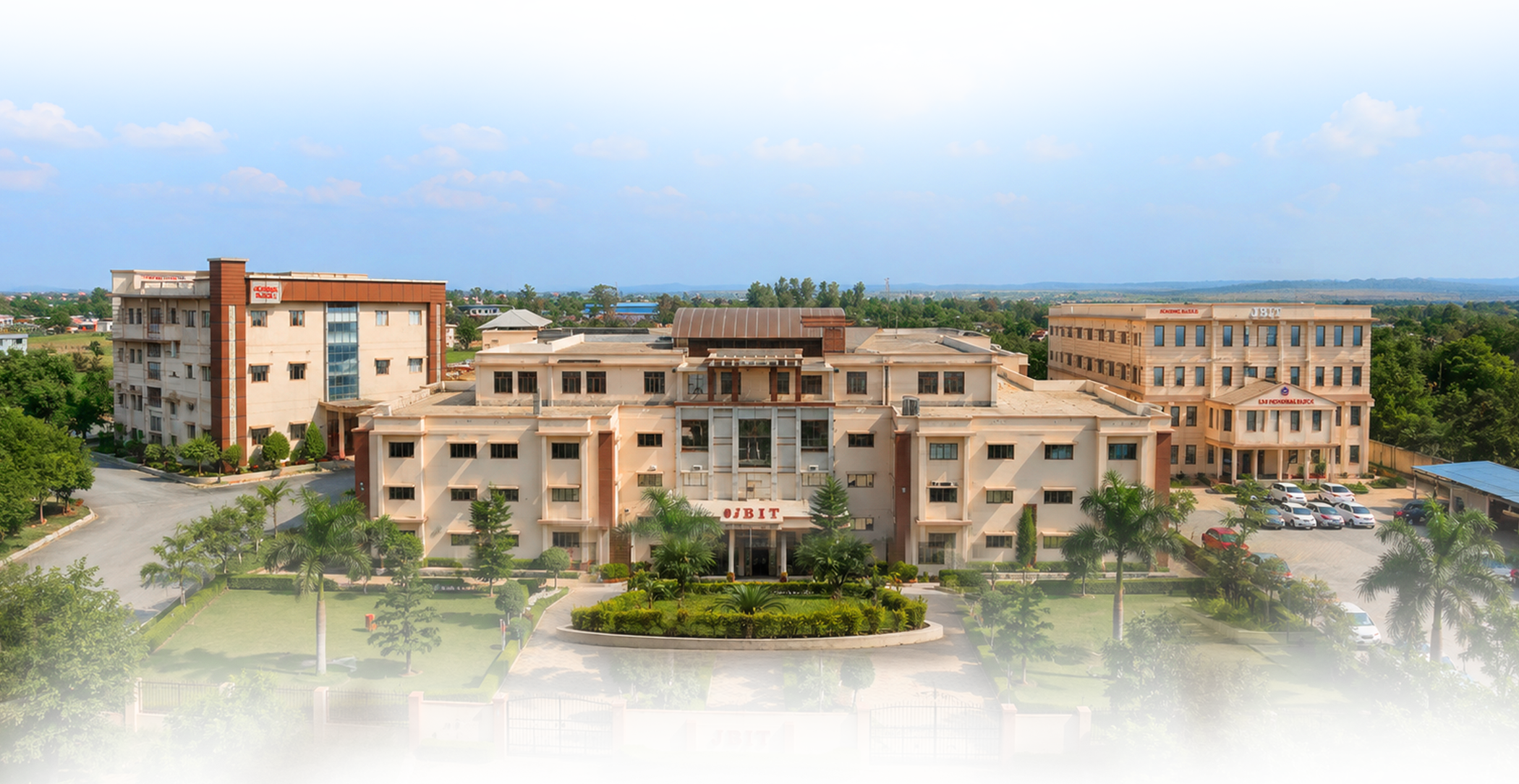
A 25-acre campus in Dehradun, NAAC 'A' accredited.
Our instituteEngineering, management, pharmacy, agriculture and IT.
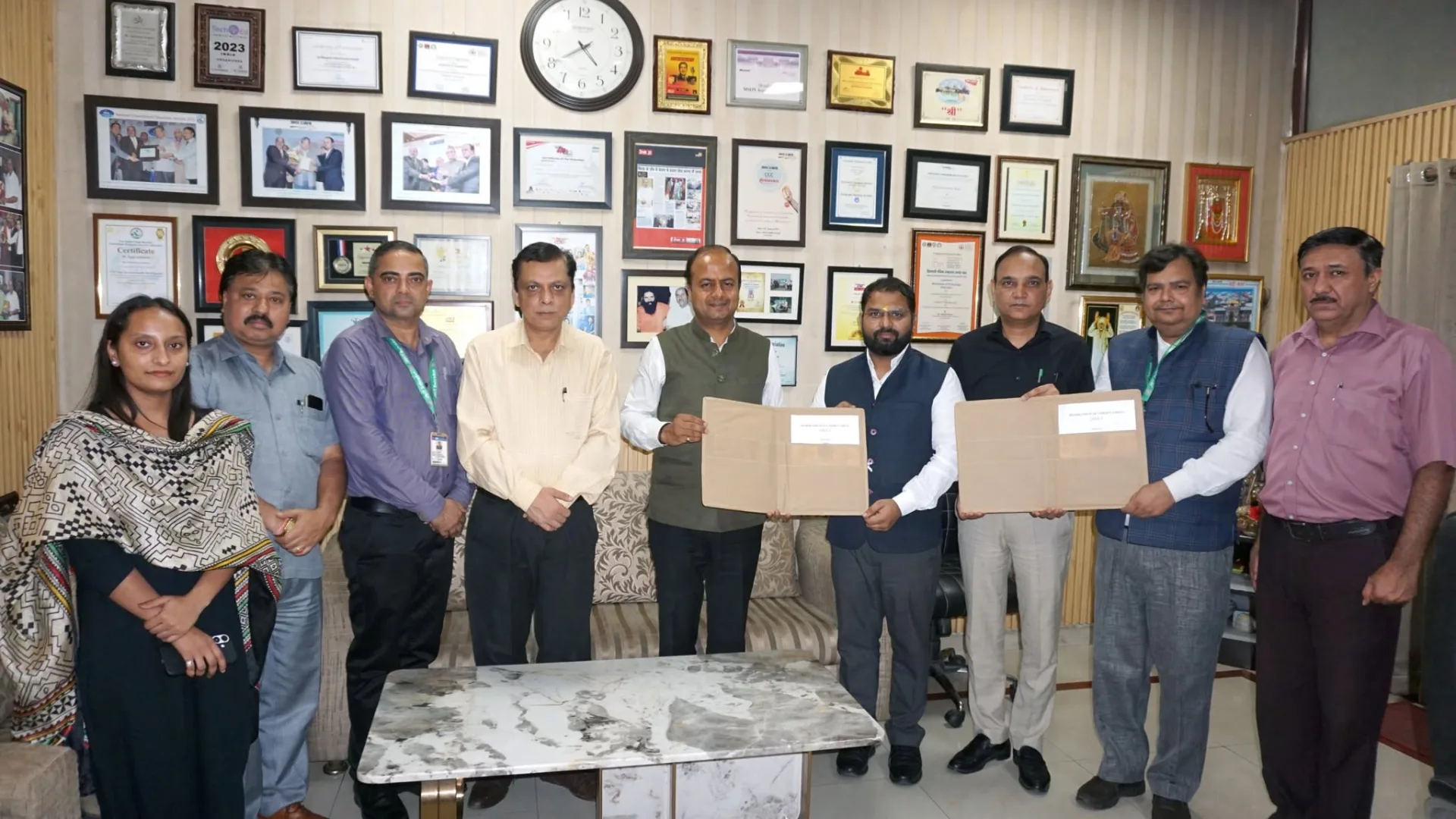
See all programmesMoUs with IITs and industry partners.
Our MoUs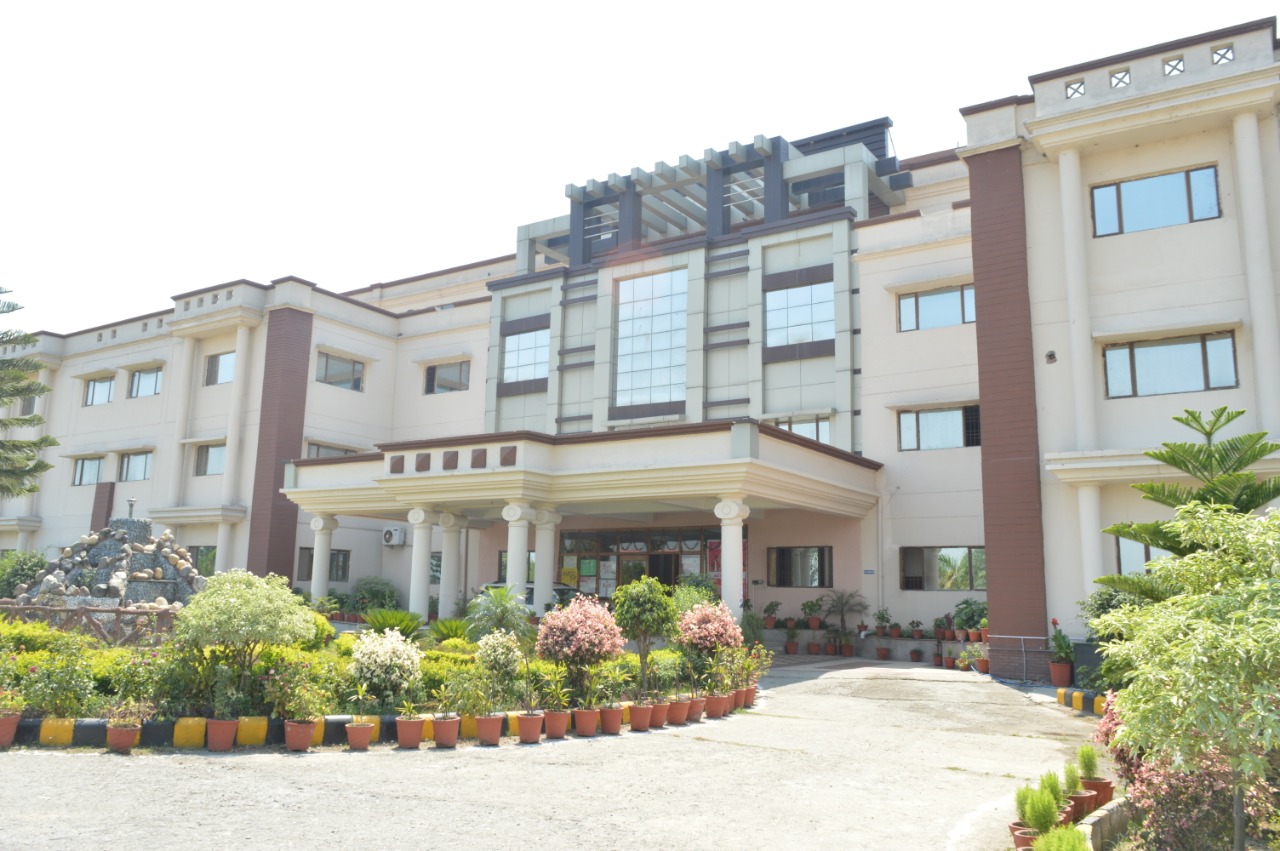
Electronic circuits, communication systems, embedded systems, VLSI and the Internet of Things.
The B.Tech in ECE is a versatile four-year program driving the information age. It deals with electronic devices, circuits, and communication systems. The curriculum includes Analog and Digital Electronics, Signals and Systems, Microprocessors, and VLSI Design. Students engage in rigorous labs designing circuits and analyzing signal transmission. The course balances hardware and software, covering chip design and embedded systems. With the advent of 5G and IoT, the program now includes wireless sensor networks and optical communication. Project-based learning allows students to build prototypes ranging from robotics to smart home systems. It is ideal for those curious about the inner workings of mobile tech and global networks.
Year 1 — Engineering mathematics, physics, programming, basic electrical and electronics, engineering graphics
Year 2 — Electronic devices and circuits, signals and systems, digital electronics, network analysis, analog circuits
Year 3 — Analog and digital communication, microprocessors and microcontrollers, control systems, electromagnetic waves, VLSI design
Year 4 — Wireless and mobile communication, embedded systems, IoT, optical communication, electives, internship and major project
ECE graduates are eligible for both core electronics and IT software roles. In the Core Electronics Sector, companies like Intel and Samsung hire VLSI Design Engineers and Embedded Systems Engineers. The Telecommunications Industry (Airtel, Jio) employs Network Planning and RF Engineers.
The IoT and Robotics fields demand ECE engineers for smart sensor design. In the Public Sector, organizations like ISRO, DRDO, and BSNL offer prestigious roles in defense and satellite communications. The strong programming foundation also allows graduates to pivot to Software Development. The Automotive Industry recruits for vehicular electronics. Research-oriented graduates can pursue an M.Tech in specialized fields like Signal Processing or Nanotechnology.
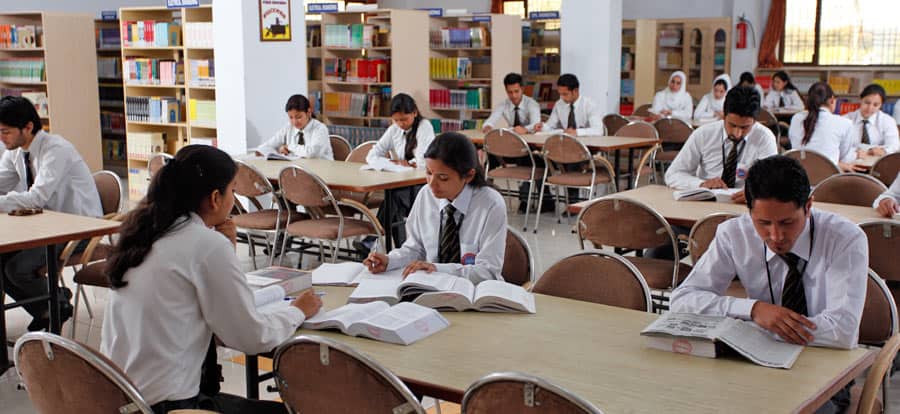
Workshops and department labs are part of every semester, not just the final year.
Mini projects, technical fests and an industry internship build a portfolio before placements.
Aptitude training, mock interviews and campus drives through the Training & Placement Cell.
Per academic year for B.Tech Electronics & Communication Engineering. Hostel and transport are optional and charged separately.
| Particulars | First year | Each year after |
|---|---|---|
| Tuition fee | ₹ [amount] | ₹ [amount] |
| University / board fees | As notified | As notified |
| Hostel with mess (optional) | ₹ [amount] | ₹ [amount] |
| Transport (optional) | ₹ [amount] | ₹ [amount] |
Fees are decided by the fee committee and the affiliating university and can change. Contact admissions for the current figures.
Yes, through lateral entry as per university norms, subject to seat availability.
Yes. Students complete an industry internship, usually after the third year; the placement cell helps them find one.
Through the counselling of the affiliating university or board, and direct admission where the norms allow. The admissions team explains the current process and dates.
Yes — merit-based institute scholarships and government scholarships for eligible students. See Scholarships for details.
Yes, separate hostels for boys and girls with mess facilities on campus. Seats are allotted at admission.
Power, machines and energy systems.
Intelligent systems and data.
Software and computing.
Leave your details and the admissions team will call you back within one working day.