
01
Vision
To develop skilled supervisors who ensure quality, safety, and timely completion of infrastructure projects.
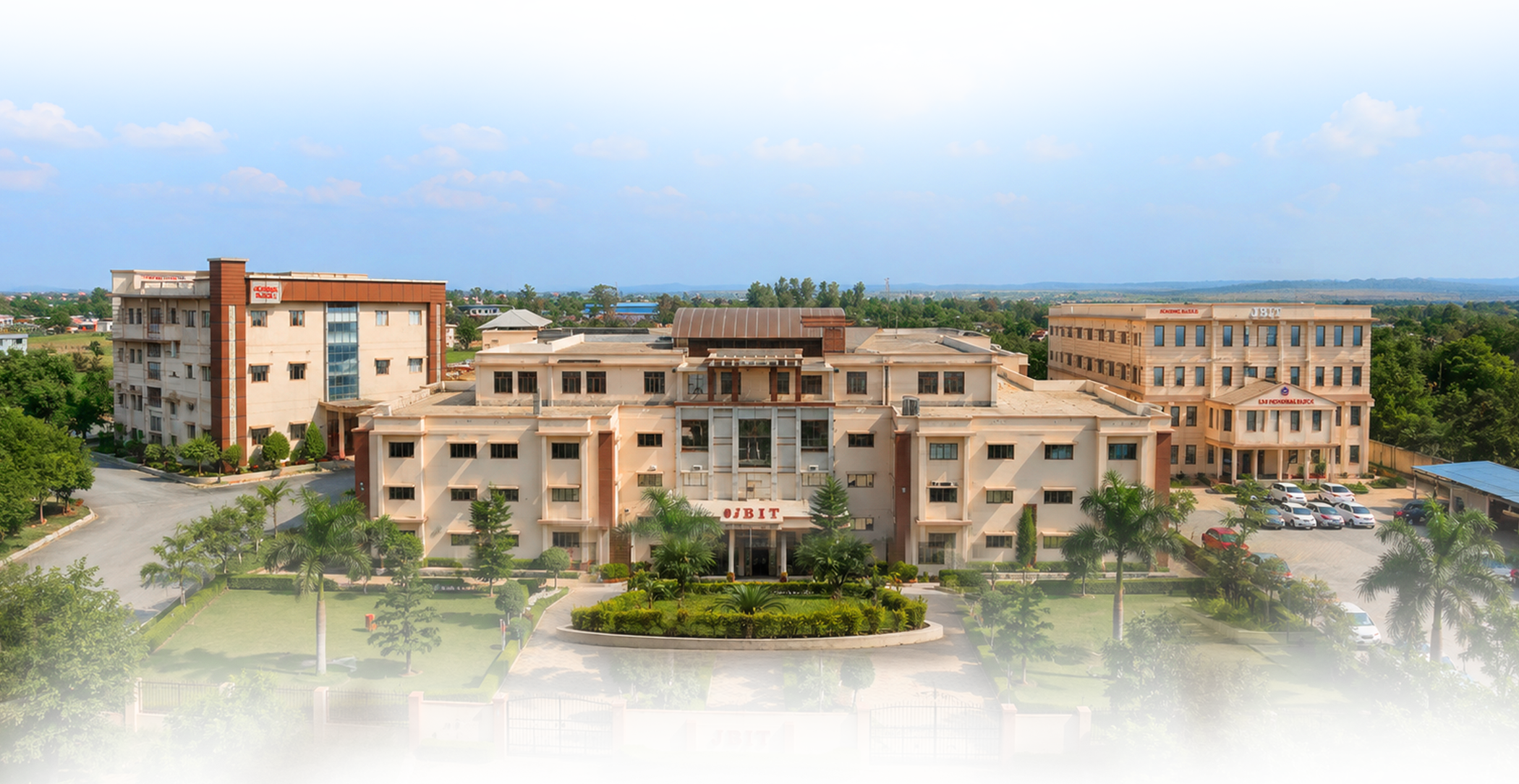
A 25-acre campus in Dehradun, NAAC 'A' accredited.
Our instituteEngineering, management, pharmacy, agriculture and IT.
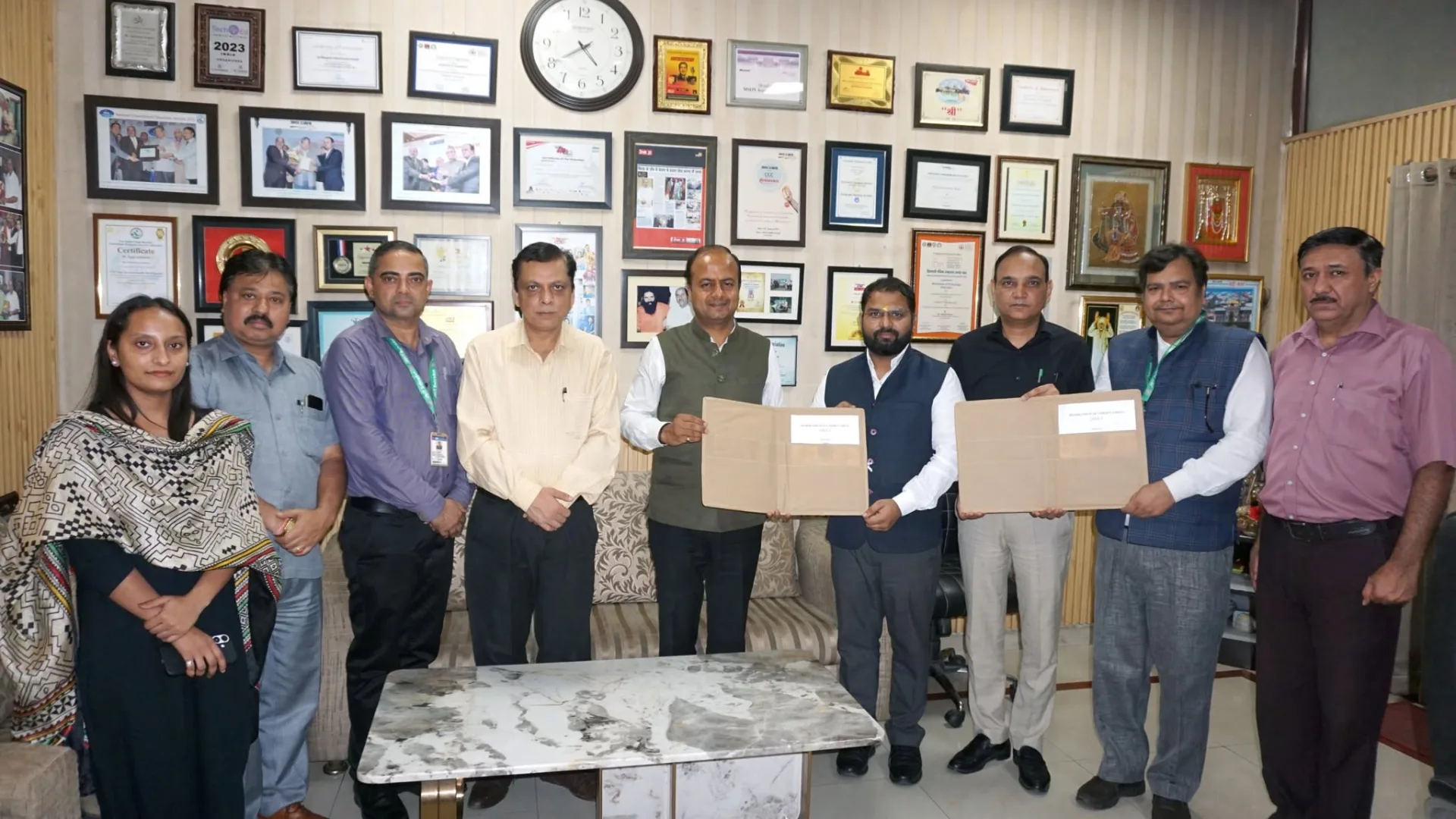
See all programmesMoUs with IITs and industry partners.
Our MoUs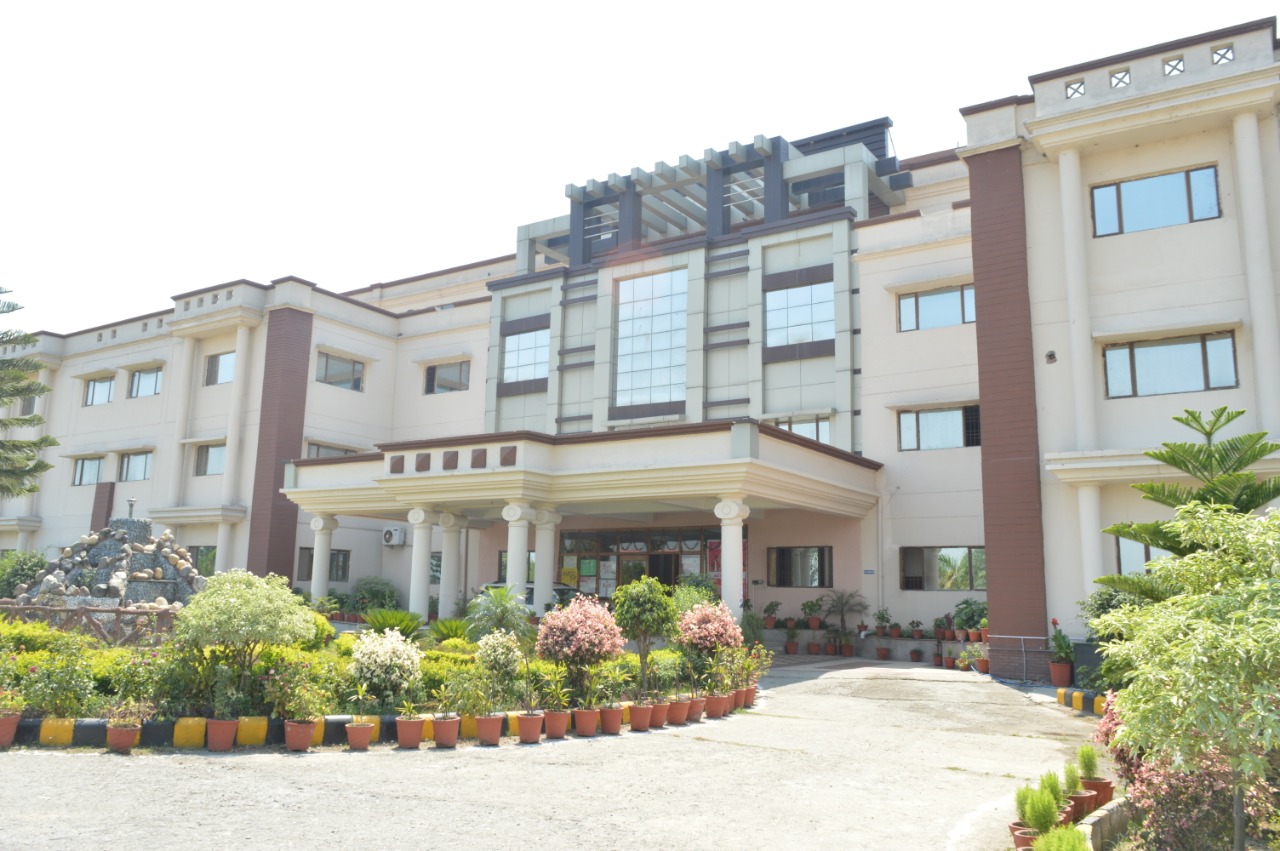
A three-year, hands-on diploma that leads to technician and junior engineer roles — or straight into the second year of a B.Tech.
The Diploma in Civil Engineering is a three-year program prioritizing the “how-to” of construction. Students learn land surveying, estimation, concrete technology, and building techniques. The curriculum involves extensive workshops and field use of theodolites and total stations. Students are trained to interpret architectural drawings and supervise labor. Key subjects include Public Health and Highway Engineering. The course makes students job-ready for site operations, ideal for those who enjoy outdoor work and building infrastructure.
Year 1 — Applied mathematics, applied physics and chemistry, engineering drawing, workshop practice, communication skills
Year 2 — Surveying, building materials and construction, mechanics of structures, hydraulics, concrete technology
Year 3 — Design of structures, highway and bridge engineering, estimating and costing, construction management, industrial training and project
Diploma holders are the industry’s operational backbone. The primary role is Junior Engineer (JE) or Site Supervisor, executing plans and managing workers. In the Government Sector, they are sought for JE posts in PWD, Irrigation, and Railways.
In the Private Sector, real estate and infrastructure firms hire them as Site Inspectors and Quantity Surveyors. They can also work in Material Testing Labs. Self-employment as a building contractor or surveyor is a popular and profitable path.
Per academic year for Diploma in Civil Engineering. Hostel and transport are optional and charged separately.
| Particulars | First year | Each year after |
|---|---|---|
| Tuition fee | ₹ [amount] | ₹ [amount] |
| University / board fees | As notified | As notified |
| Hostel with mess (optional) | ₹ [amount] | ₹ [amount] |
| Transport (optional) | ₹ [amount] | ₹ [amount] |
Fees are decided by the fee committee and the affiliating university and can change. Contact admissions for the current figures.
Through the counselling of the affiliating university or board, and direct admission where the norms allow. The admissions team explains the current process and dates.
Yes — merit-based institute scholarships and government scholarships for eligible students. See Scholarships for details.
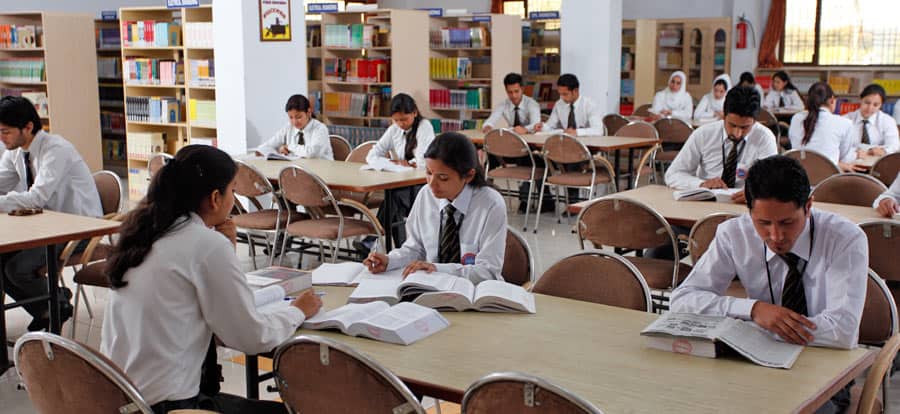
Yes, separate hostels for boys and girls with mess facilities on campus. Seats are allotted at admission.
Continue with a four-year degree.
All engineering programmes.
Steps, documents and dates.
Leave your details and the admissions team will call you back within one working day.