
01
Vision
To develop world-class civil engineers dedicated to building sustainable, resilient, and safe infrastructure for the nation.
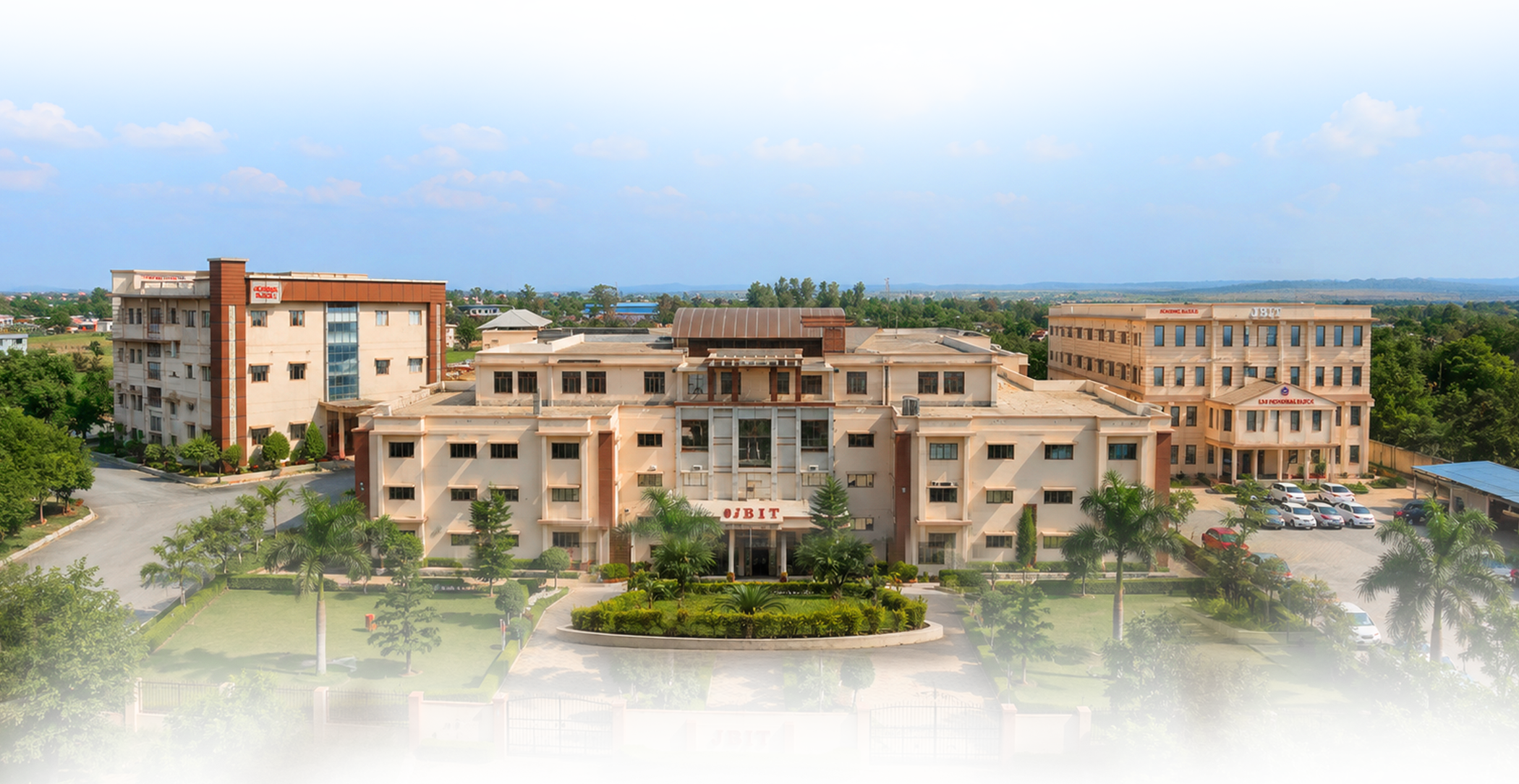
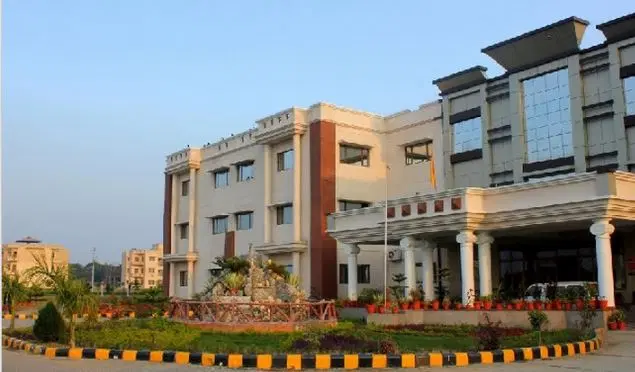
A 25-acre campus in Dehradun, NAAC 'A' accredited.
Our instituteEngineering, management, pharmacy, agriculture and IT.
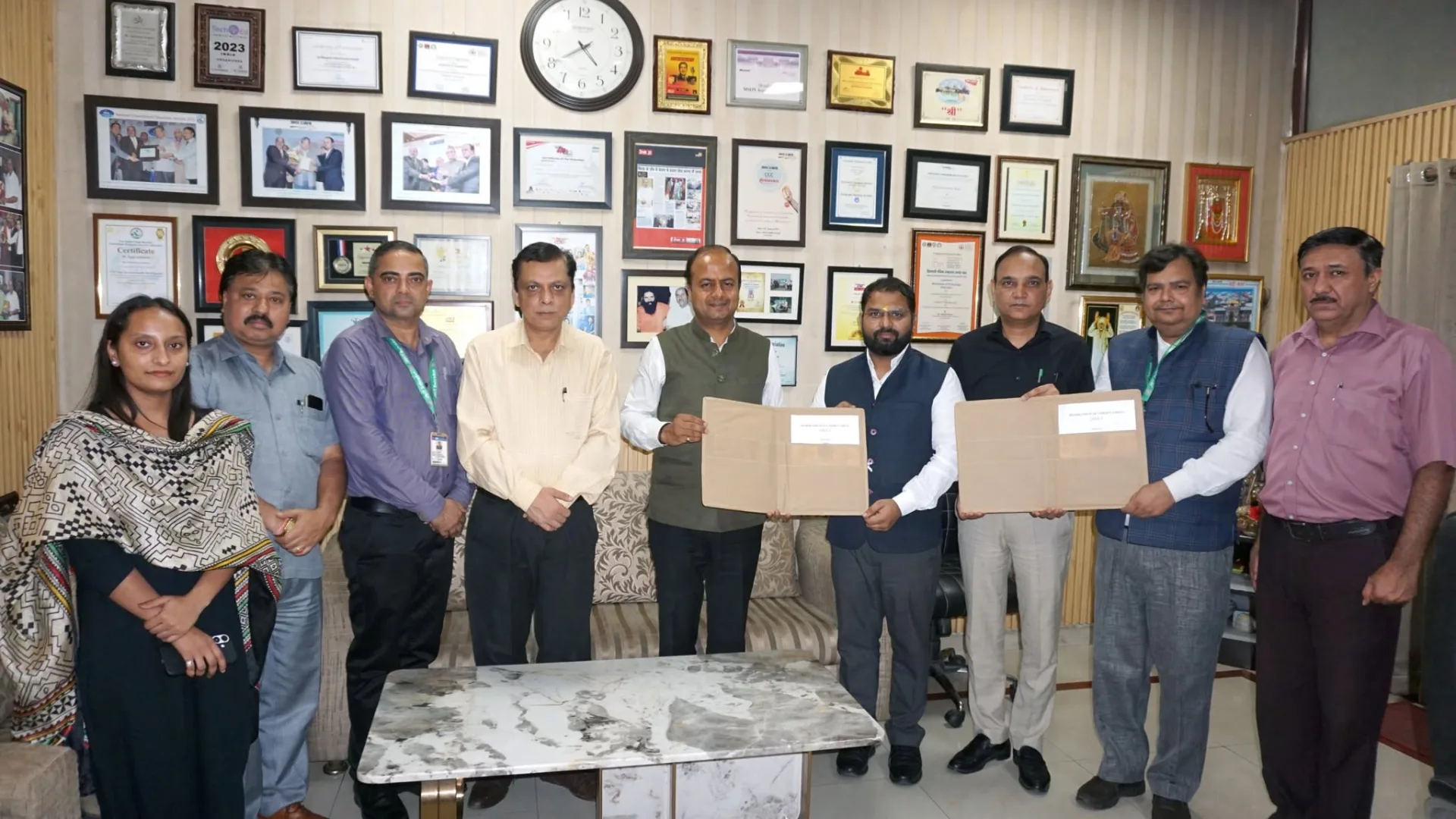
See all programmesMoUs with IITs and industry partners.
Our MoUs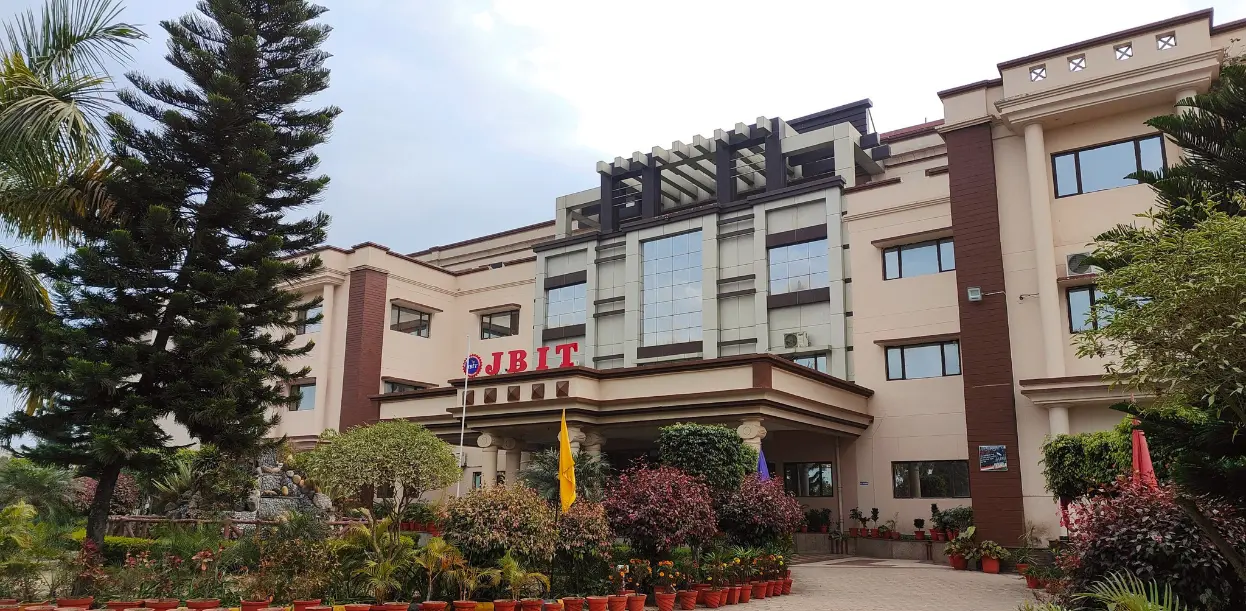
Structures, surveying, geotechnics, transportation and water resources — the engineering of the built world.
The B.Tech in Civil Engineering is a foundational program focused on the design, construction, and maintenance of the physical environment. This four-year course covers a broad spectrum of disciplines, including Structural Engineering, Geotechnical Engineering, Transportation, and Hydraulics. Students learn to analyze soil properties, design concrete and steel structures, and plan efficient transportation networks. The curriculum emphasizes practical skills, with frequent site visits and survey camps using modern equipment like Total Stations. Students are also trained in essential software like AutoCAD, STAAD Pro, and Revit. We focus on modern challenges such as green building practices, disaster management, and smart city planning. This program is for those who want to see their ideas take physical shape, building the landmarks and lifelines of society.
Year 1 — Engineering mathematics, physics, chemistry, engineering mechanics, engineering graphics
Year 2 — Strength of materials, surveying, fluid mechanics, building materials and construction, engineering geology
Year 3 — Structural analysis, geotechnical engineering, concrete technology, transportation engineering, hydrology, environmental engineering
Year 4 — Design of steel and RCC structures, estimation and costing, construction management, electives, internship and major project
Civil Engineering offers stable and prestigious career paths in both government and private sectors. In the Government Sector, graduates are highly sought after as Assistant Engineers (AE) and Junior Engineers (JE) in departments like PWD, CPWD, NHAI, and Irrigation, often recruited through IES and GATE exams. These roles involve overseeing massive public infrastructure projects.
In the Private Sector, graduates work with top construction firms like L&T and Tata Projects as Site Engineers, Project Managers, and Structural Designers. Opportunities exist in Real Estate as valuers and developers. Specialized roles in Environmental Engineering involve designing water treatment plants and waste management systems. Transportation Engineers are crucial for designing highways, railways, and airports. The degree also offers immense potential for entrepreneurship, allowing graduates to start their own construction or consultancy firms. With the global push for infrastructure development, civil engineers remain indispensable.
Workshops and department labs are part of every semester, not just the final year.
Mini projects, technical fests and an industry internship build a portfolio before placements.
Aptitude training, mock interviews and campus drives through the Training & Placement Cell.
Per academic year for B.Tech Civil Engineering. Hostel and transport are optional and charged separately.
| Particulars | First year | Each year after |
|---|---|---|
| Tuition fee | ₹ [amount] | ₹ [amount] |
| University / board fees | As notified | As notified |
| Hostel with mess (optional) | ₹ [amount] | ₹ [amount] |
| Transport (optional) | ₹ [amount] | ₹ [amount] |
Fees are decided by the fee committee and the affiliating university and can change. Contact admissions for the current figures.
Yes, through lateral entry as per university norms, subject to seat availability.
Yes. Students complete an industry internship, usually after the third year; the placement cell helps them find one.
Through the counselling of the affiliating university or board, and direct admission where the norms allow. The admissions team explains the current process and dates.
Yes — merit-based institute scholarships and government scholarships for eligible students. See Scholarships for details.
Yes, separate hostels for boys and girls with mess facilities on campus. Seats are allotted at admission.
Three-year polytechnic diploma.
Design, manufacturing and thermal systems.
Power and energy systems.
Leave your details and the admissions team will call you back within one working day.