
01
Vision
To drive agricultural sustainability through scientific research and modern farming practices.
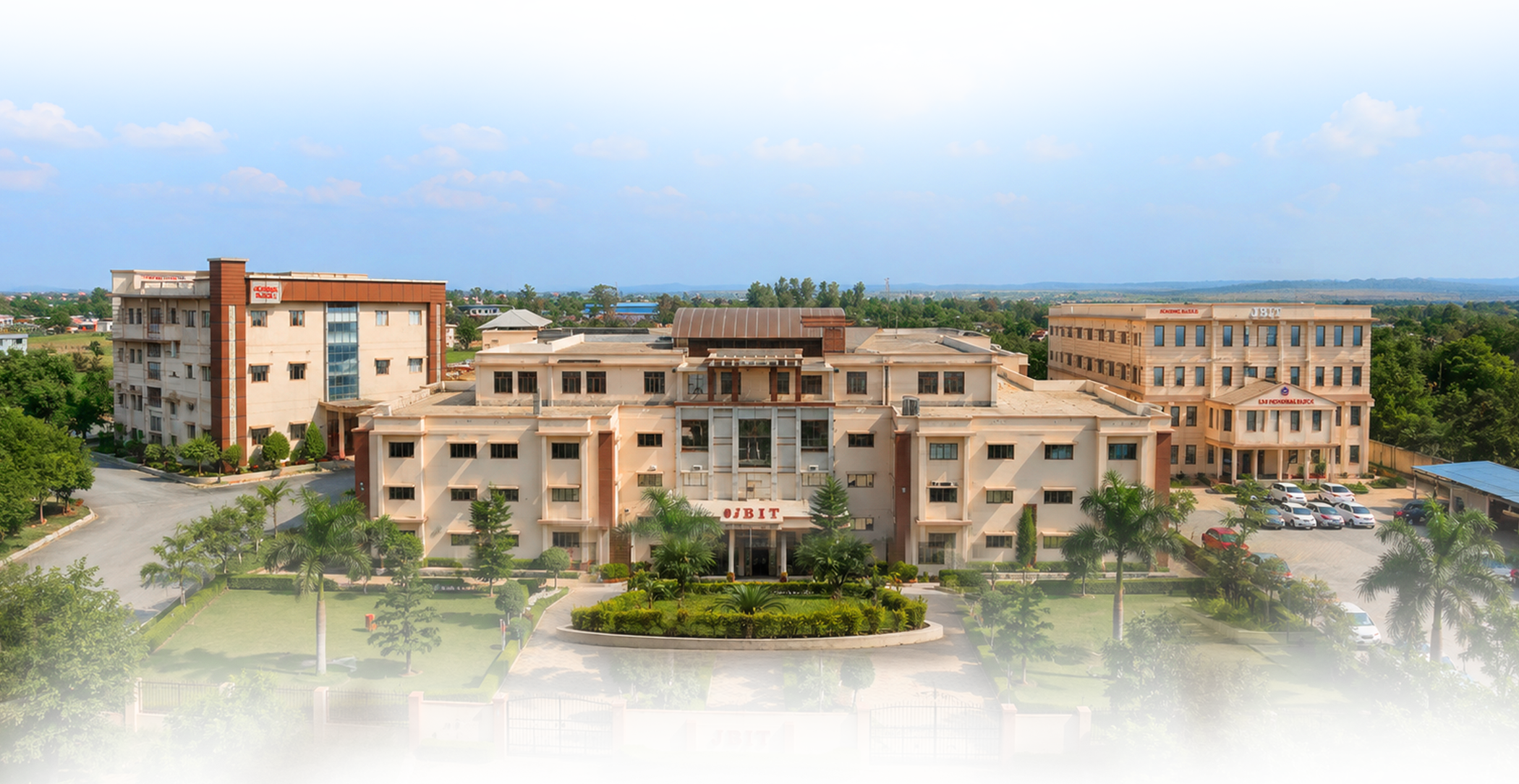
A 25-acre campus in Dehradun, NAAC 'A' accredited.
Our instituteEngineering, management, pharmacy, agriculture and IT.
See all programmesMoUs with IITs and industry partners.
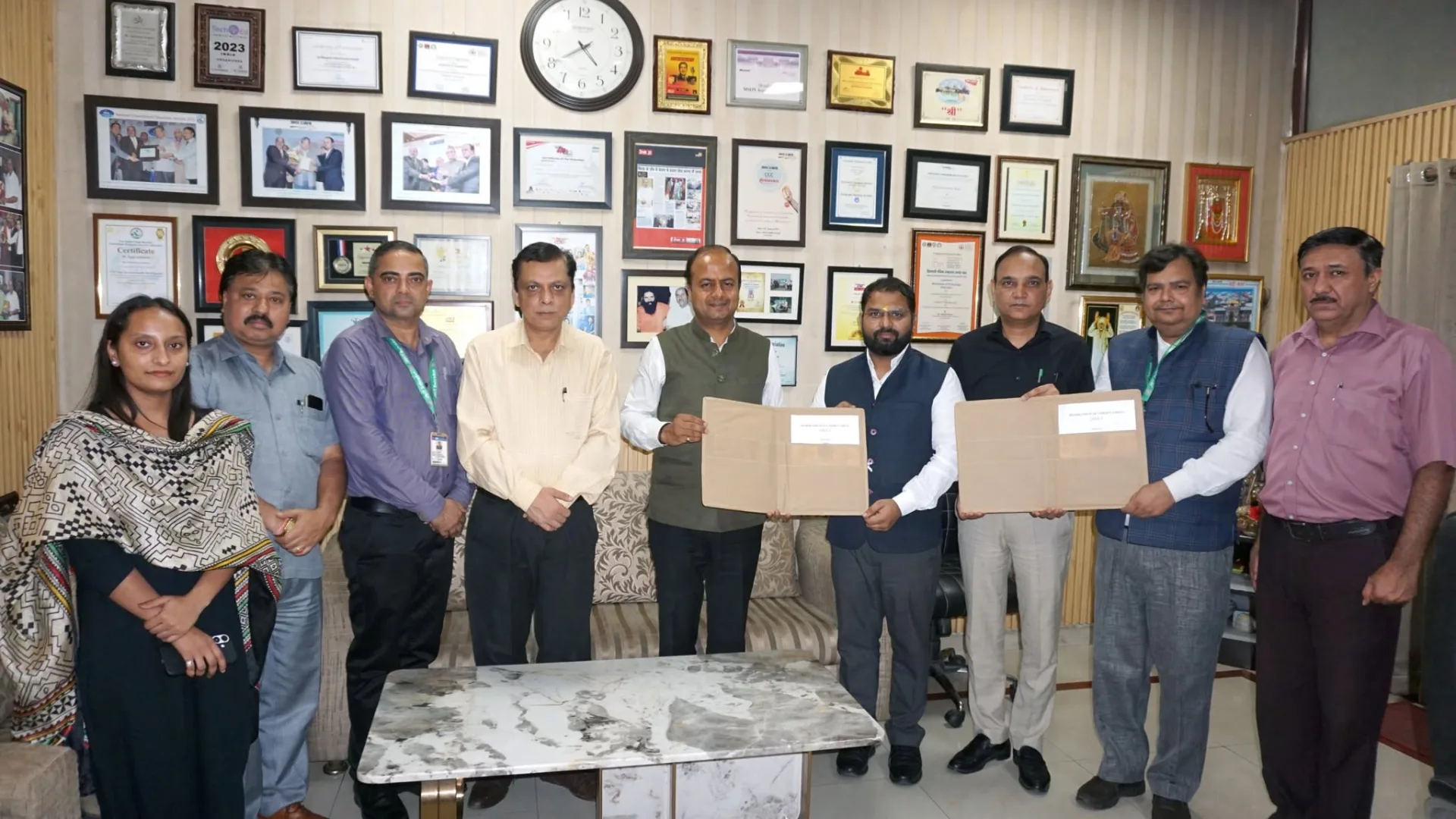
Our MoUs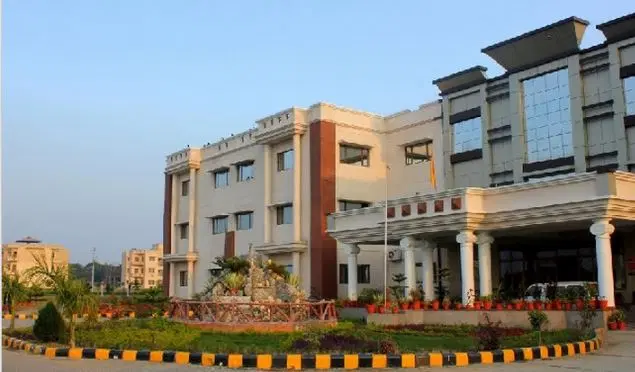
Agronomy, soil science, horticulture, plant protection and agribusiness — in the classroom and in the field.
This four-year degree is a professional course exploring the science of farming. It covers Agronomy, Soil Science, Plant Pathology, and Entomology. Students spend time in fields and labs, learning about crop production and protection. The course also covers agricultural economics and machinery. It prepares students to modernize agriculture and manage agro-based businesses.
Year 1 — Fundamentals of agronomy, soil science, horticulture, plant biochemistry, agricultural meteorology
Year 2 — Crop production, genetics and plant breeding, entomology, plant pathology, farm machinery
Year 3 — Agricultural economics, extension education, seed technology, organic farming, post-harvest management
Year 4 — Rural Agricultural Work Experience (RAWE), experiential learning modules, project
Graduates work as Agriculture Officers in banks and government departments. They are employed by agro-chemical companies as Sales Managers and Agronomists.
Opportunities exist in Seed and Fertilizer industries. Farm Management and Food Processing are growing fields. Graduates can also pursue research or start their own Agri-clinics and modern farms.
Per academic year for B.Sc Agriculture (Hons.). Hostel and transport are optional and charged separately.
| Particulars | First year | Each year after |
|---|---|---|
| Tuition fee | ₹ [amount] | ₹ [amount] |
| University / board fees | As notified | As notified |
| Hostel with mess (optional) | ₹ [amount] | ₹ [amount] |
| Transport (optional) | ₹ [amount] | ₹ [amount] |
Fees are decided by the fee committee and the affiliating university and can change. Contact admissions for the current figures.
Through the counselling of the affiliating university or board, and direct admission where the norms allow. The admissions team explains the current process and dates.
Yes — merit-based institute scholarships and government scholarships for eligible students. See Scholarships for details.
Yes, separate hostels for boys and girls with mess facilities on campus. Seats are allotted at admission.
The school of agriculture.
Merit and government scholarships.
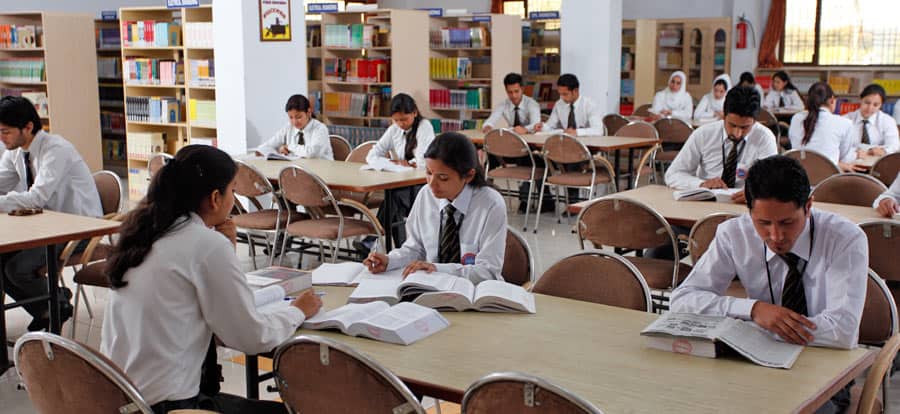
Labs, hostels and campus.
Leave your details and the admissions team will call you back within one working day.